





What Is TIG Welding?
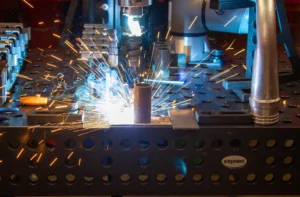
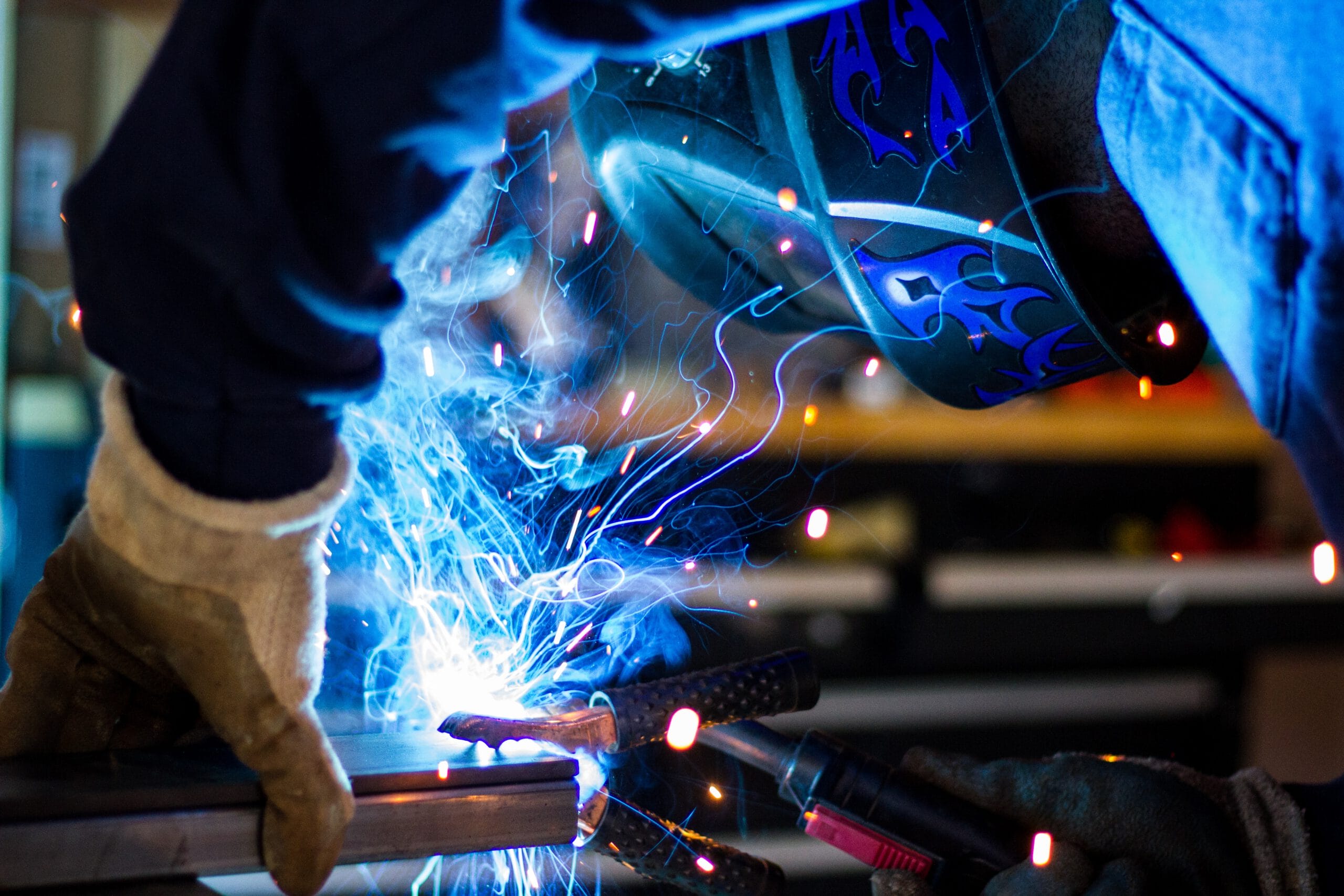
TIG Welding short for Tungsten inert gas welding (TIG), or Gas tungsten arc welding (GTAW) uses an inert gas such as argon or helium to shield a tungsten electrode from oxidising and any atmospheric contaminants. TIG filler wire is often used alongside the TIG welding torch, but fusion welds can be done without it, reducing the cost of purchasing additional TIG consumables.
Tig Welding is a high skill discipline and can be difficult for newcomers and those with less experience. Below we have listed 5 tips that can help you get started and producing high quality Tig welds in a safe and efficient way
An abundance of TIG Welding machines and products are stocked at ESCCO from brands such as ESAB, Jasic, Lorch etc. See our full range here.
1) Choosing the correct Tungsten
Having the correct tungsten is possibly the most important aspect of TIG welding.
Welding torches need the right tungsten for the application. This depends on whether its AC or DC current, high amperage or low amperage and the material being welded.
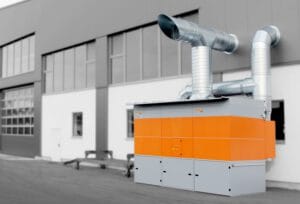
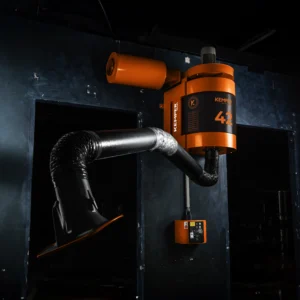
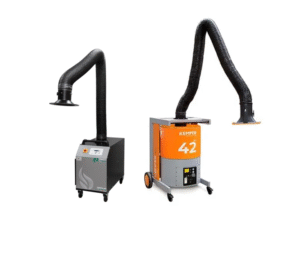
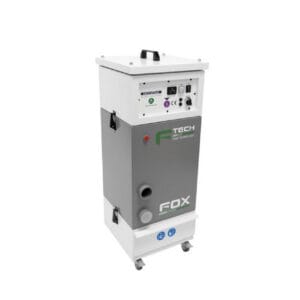
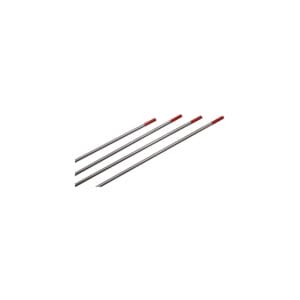
As an example, a common type of TIG welding tungsten is a 2% Thoriated Tungsten Electrode (Red Tip) and is suitable for DC TIG welding of all steels. Thorium is weakly radioactive and so proper PPE and welding fume extraction should be used when working.
2) Safety Equipment
Correct PPE is very important whilst TIG welding. Cleaner than MIG welding, TIG welding still has some occupational hazards and requires precaution. Ideally a welder would have the following PPE;
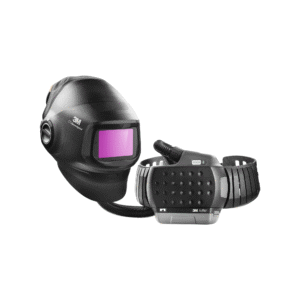
• Air Fed Welding Helmet
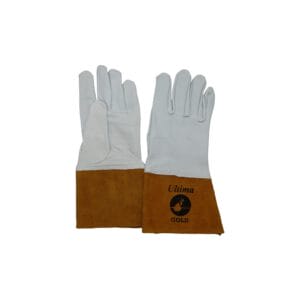
• Tig Glove Gauntlets
• Steel Toe Capped Boots
• Flame Retardant Coverall/Boiler Suit
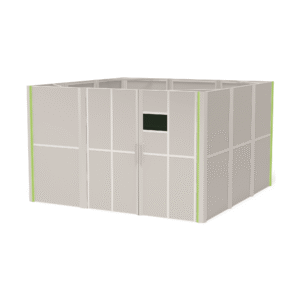
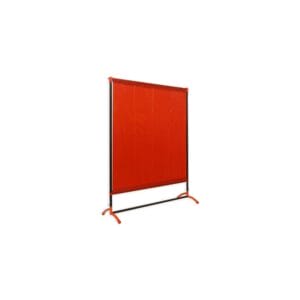
• Welding Curtain
3) Choosing the best equipment
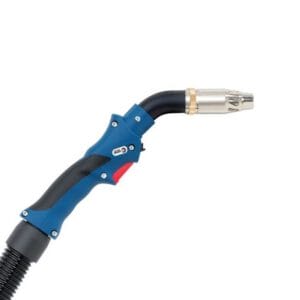
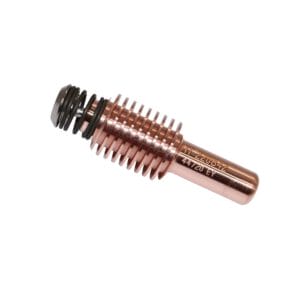
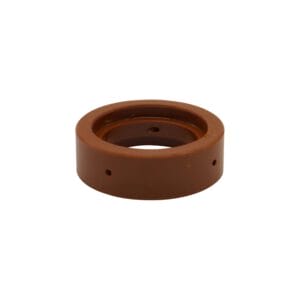
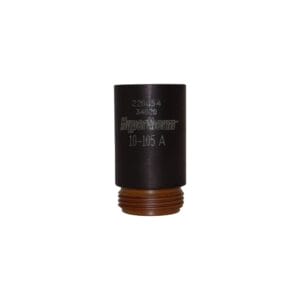
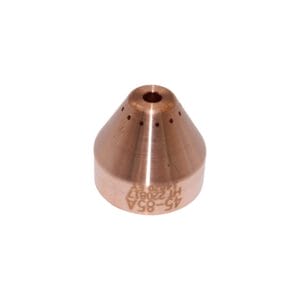
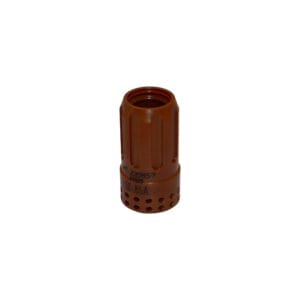
From welding torches to consumables, choosing the best equipment is vital. Ensuring that all parts and TIG consumables are genuine is the best way to guarantee that your TIG welds are of the highest quality.
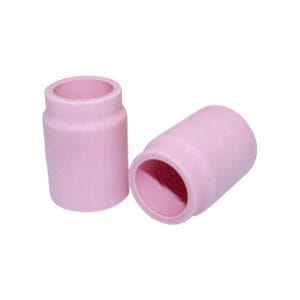
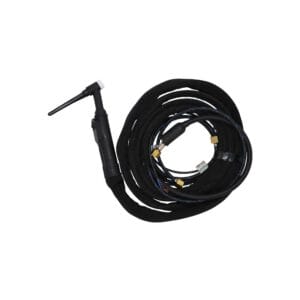
We offer a good variety of TIG welding consumables and torches from Flexi bodies and heads, ceramics, and gas diffusers to the highest quality water-cooled Lorch torch.
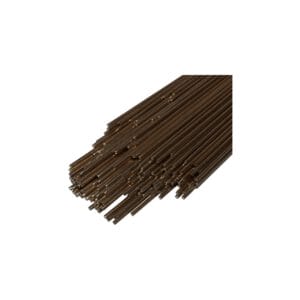
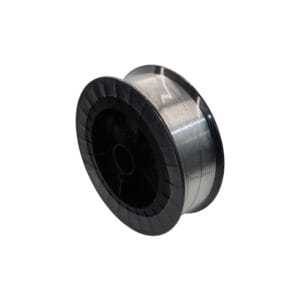
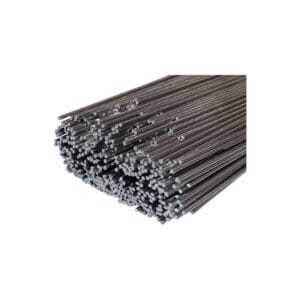
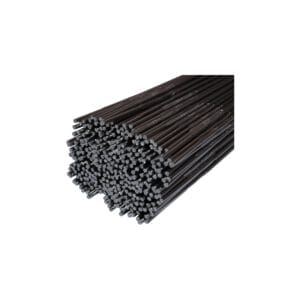
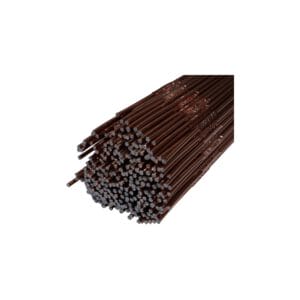
Choosing the correct wire for the job is also important. For example, when welding aluminium, do you need the strength of 5356 or the ease of use and better appearance of 4043. There are many different factors to consider when welding.
4) Avoid Overwelding
Overwelding can be an expensive problem when welding. Simply defined as creating larger welds than needed, this is common throughout the welding industry mainly among less experienced welders. As TIG welding is a highly skilled disciple it is less prevalent but should still be looked out for.
With the current high price of raw materials, using an extra rod of wire per weld can quickly add up. This can prove to be a difficult habit to kick once established. Smaller beads and moving faster can help to reduce the amount of filler wire being used during a welding session.
5) Use an inverter during TIG welding
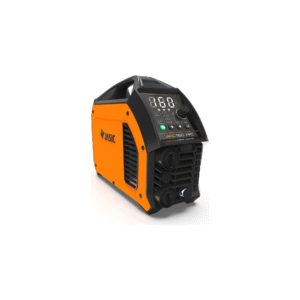
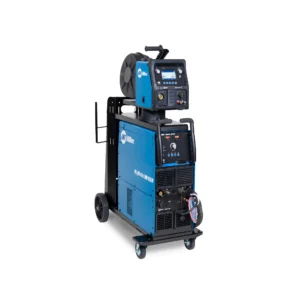
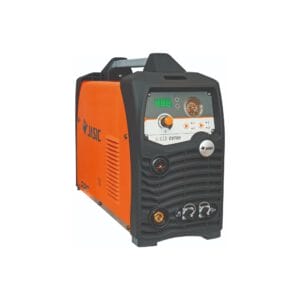
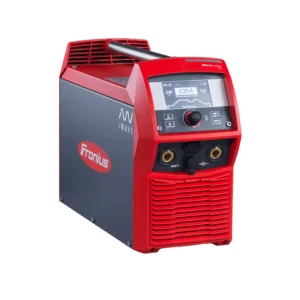
Inverters are quickly becoming the standard for TIG welding in recent years. The flexibility to weld stainless and mild steel then seamlessly change to aluminium. Inverters are also more energy efficient when compared to non-inverters or transformers. With an inverter it becomes easier to adjust the welding bead for the required thickness. With inverter welders there is also the possibility of having the option for pulse. Which can provide better welding performance on thinner gauge materials.
TIG Welding? ESCCO are on hand to help.
With an accumulated wealth of technical expertise spanning 40 years.
We pride ourselves on stocking a wide range of TIG welding and equipment and consumables for your workshop needs and requirements. If there is a product you require that we don’t stock, we’ll endeavour to source it for you.
Email sales@escco.co.uk or call 01432 346190 for expert advice.


